
How Long Do Clay Tile Roofs Last?
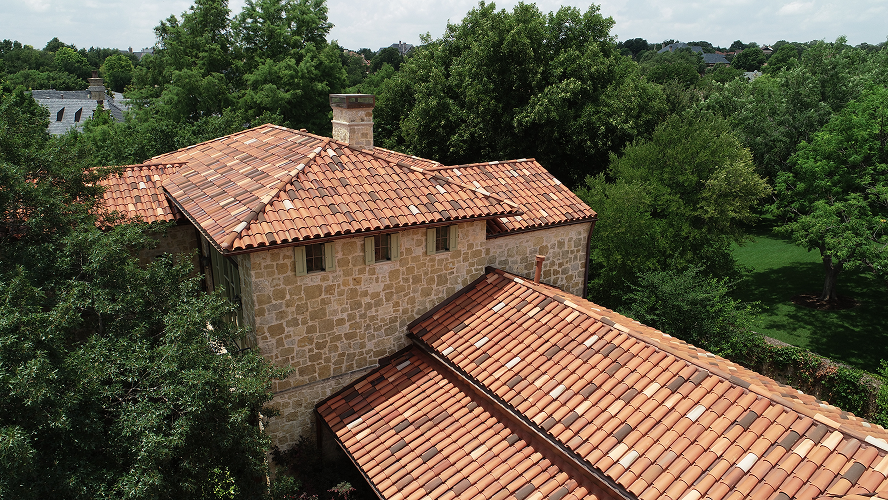
Clay tile roofs have been admired for centuries for their timeless beauty and unmatched durability.
Their classic look brings curb appeal to any home, especially in warm climates where Mediterranean and Spanish-style architecture thrives.
But beauty isn’t the only reason homeowners invest in this premium roofing material—the real draw is how long it lasts.
So, how long do they really last?
And what makes them such a smart long-term investment for luxury homeowners?
In this blog, we’ll break down the lifespan of clay tile roofs, what affects their longevity, how they compare to other materials, and how to get the most out of your investment.
Whether you’re building your dream home or restoring an architectural gem, here’s everything you need to know about how long clay tile roofs last.
How Long Do Clay Tile Roofs Last?
In ideal conditions, a clay tile roof can last anywhere from 50 to well over 100 years.
This makes it one of the longest-lasting residential roofing materials available today.
Some historic buildings still have their original clay tile roofs in place after more than a century, which speaks volumes about their durability.
Unlike materials that break down over time, such as asphalt shingles or wood shakes, clay tiles are incredibly resistant to the elements. They don’t rot, warp, or attract pests. They’re also fire-resistant and stand up well to sun exposure, making them a popular choice in hot climates like Texas.
The long lifespan of a clay tile roof depends on several factors, including installation quality, the type of underlayment used, local weather conditions, and regular maintenance—all of which we’ll cover in more detail below.
What Affects the Lifespan of a Clay Tile Roof?
Climate and Weather
The weather in your region plays a major role in how long a clay tile roof lasts. In dry, warm climates, clay tiles perform exceptionally well and often reach their full lifespan potential.
However, in areas with frequent freeze-thaw cycles, tile roofs may be more prone to cracking if not properly installed with the right underlayment and support structure.
In Texas, clay tile roofs are well-suited to the climate. They resist heat, humidity, and strong sunlight, and they’re naturally fire-resistant—a valuable feature in hot, dry conditions.
Installation Quality
No matter how durable the material, a roof is only as strong as its installation.
A professionally installed clay tile roof with proper slope, flashing, and ventilation is far more likely to reach or exceed its expected lifespan.
At Ramon Roofing, our crews are trained in the specialized techniques required for clay tile installation, including correct fastening, overlap, and flashing integration.
Poor installation can lead to cracked tiles, water intrusion, and premature underlayment failure.
Underlayment and Flashing
Clay tiles are just one part of the roofing system. The underlayment (the waterproof layer beneath the tiles) is essential for protecting your home from moisture.
High-quality, long-lasting underlayment can significantly extend the roof’s overall performance.
Likewise, flashing (the metal components that direct water away from seams and penetrations) must be properly integrated.
Copper flashing is often used with luxury roofs for both function and aesthetic appeal.
Ongoing Maintenance
While clay tiles are low maintenance compared to other materials, they still benefit from periodic inspections. Regular maintenance includes:
• Replacing cracked or broken tiles
• Clearing debris from valleys and gutters
• Checking flashing and sealing details
• Monitoring for signs of underlayment wear
Addressing minor issues early prevents more costly repairs down the line and helps extend the life of the entire system.
Structural Considerations
Clay tile roofs are heavier than most other roofing materials.
The home’s structure must be properly engineered to support this weight. If structural movement occurs—due to settling, improper framing, or seismic activity—it can lead to tile cracking or shifting.
An experienced roofer will always assess load-bearing capacity before installation and recommend reinforcements if needed.
Clay Tile Roof Lifespan Compared to Other Roofing Materials
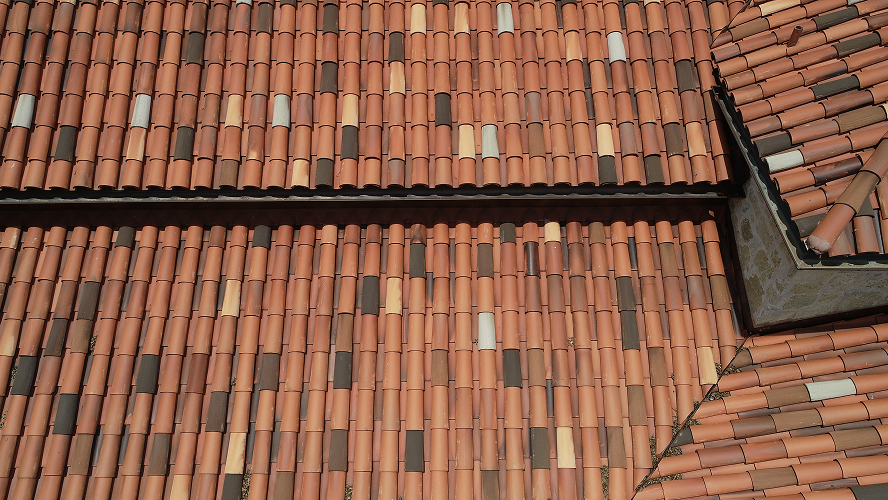
When homeowners ask, “How long do clay tile roofs last?” they’re often comparing it to other popular roofing materials. Here’s how clay tile stacks up:
• Asphalt shingles typically last between 15 to 30 years depending on quality and climate.
• Metal roofing usually lasts around 40 to 70 years and offers strong weather resistance.
• Slate roofing can last between 75 to 150 years but requires highly specialized installation.
Clay tile strikes a balance between longevity, beauty, and long-term value.
It offers a longer lifespan than metal and asphalt without the extreme weight or cost of slate.
How to Make Your Clay Tile Roof Last Longer
To get the most out of your clay tile roof, it’s important to take a few proactive steps. Here’s how to protect your investment and help your roof reach its full potential:
• Schedule bi-annual inspections: Have a qualified roofer check for damaged tiles, flashing issues, and underlayment condition.
• Avoid walking on the roof: Clay tiles can crack under pressure. Leave inspections and maintenance to professionals with proper equipment.
• Clear debris regularly: Keep valleys, gutters, and roof edges free of leaves and dirt to prevent moisture buildup.
• Repair damage promptly: Even a single broken tile can lead to water intrusion if left unaddressed.
• Maintain attic ventilation: Proper airflow helps regulate temperature and moisture beneath the roof deck, reducing long-term wear.
When installed and cared for correctly, a clay tile roof requires relatively little upkeep, but these small actions go a long way toward preserving its beauty and function.
Signs It’s Time to Replace a Clay Tile Roof
While clay tiles are built to last, even the best roofs eventually reach the end of their life. Watch for these signs that it may be time to consider a replacement:
• Widespread tile damage: If a significant number of tiles are cracked, missing, or loose, the system’s integrity may be compromised.
• Underlayment failure: Moisture infiltration, leaks, or visible sagging can indicate that the waterproof layer has deteriorated.
• Moss or algae growth: Excessive growth can trap moisture, especially on north-facing slopes.
• Advanced roof age: If your clay tile roof is approaching 100 years old, a full inspection is recommended—even if it appears to be in good shape.
Keep in mind that individual components may be repairable even if the entire system doesn’t need replacement.
A trusted roofing expert can help you evaluate what’s best for your home.
Is a Clay Tile Roof Worth It for Long-Term Homeowners?
.png?width=888&height=500&name=DJI_0158%201%20(1).png)
Clay tile roofs offer homeowners unmatched longevity, resilience, and architectural beauty. When installed by experienced professionals and properly maintained, they can last for generations, often exceeding 100 years of service.
For long-term homeowners, a clay tile roof is more than just a protective covering. It’s a long-term investment in the value, performance, and character of your home.
While other materials may need replacing once or twice in the same span, a clay tile roof offers peace of mind and enduring curb appeal.
So if you're asking, “How long does a clay tile roof really last?”, the answer is clear: with the right installation and care, clay tile roofing stands the test of time.
At Ramon Roofing, we bring decades of hands-on experience installing and maintaining clay tile roofs across Texas.
We’re always happy to offer one-on-one consultations for homeowners exploring their options.
Reach out today for your no-obligation consultation:
https://www.ramonroofing.com/contact-us
About Ramon Roofing
Ramon Roofing has been a trusted name in Texas residential roofing since 1995.
Founded by Paul Ramon, our company has built a decades-long reputation for excellence in luxury roofing, with a particular legacy in custom tile installations.
We are proud to have completed hundreds of high-end tile roof projects across Fort Worth, Dallas, and Austin—each one installed by trained craftsmen using proven techniques and premium materials.
Our work has earned widespread industry recognition, including multiple awards for tile craftsmanship, most recently the 2023 NTRCA Golden Hammer Award for Outstanding Residential Tile Project:
https://www.youtube.com/watch?v=RyATEFqzIjY&list=PLr3uXcqeVPonNPqwttRx0w_lupOVc9k-L&index=20
We also partner with world-renowned suppliers to source the finest tiles available, including historic manufacturers like Tognana Superroof, an Italian family business that has been crafting premium tile since 1820.
Tile roofing requires an incredibly specific skillset—one that demands precision, experience, and consistency.
That’s why Ramon Roofing keeps the entire process 100% in-house with no subcontractors.
Every crew member is trained under our standards, ensuring your home receives expert-level workmanship from start to finish.
Thank you for reading!
FAQ: Clay Tile Roofs – Lifespan, Maintenance & More
Can a clay tile roof really last over 100 years?
Yes, with proper installation and maintenance, many clay tile roofs last well over 100 years. In fact, some historic buildings in Europe and the U.S. still have functioning clay roofs from the early 1900s or earlier. At Ramon Roofing, we use premium materials and proven techniques to help your roof reach that level of longevity.
What causes clay tiles to crack or break over time?
Cracking can occur due to impact (like falling branches or foot traffic), freeze-thaw cycles, or structural movement beneath the roof. However, quality clay tiles and professional installation greatly reduce the risk of breakage.
Is clay tile roofing a good fit for Texas homes?
Absolutely. Clay tile performs exceptionally well in Texas climates, especially in areas like Fort Worth and Austin. It resists extreme heat, strong sunlight, and humidity while offering excellent energy efficiency and fire resistance.
Do I need to replace the whole roof if some tiles are broken?
Not necessarily. Individual tiles can often be replaced without disturbing the rest of the roof—especially when caught early during routine inspections. It’s more important to assess whether the underlayment is still intact.
How often should I have my clay tile roof inspected?
We recommend a professional inspection at least once a year, and after major weather events. This helps catch small issues like cracked tiles or deteriorating flashing before they lead to larger problems.
Are clay tiles heavier than other roofing materials?
Yes, clay tile is heavier than materials like asphalt shingles or metal. That’s why it’s important to ensure your home’s structure can support the additional weight. Our team can assess and recommend reinforcements if needed before installation.
What’s the difference between clay tile and concrete tile roofing?
Clay tiles are made from natural clay and fired at high temperatures for strength and color retention. Concrete tiles are a blend of cement and sand. While both are durable, clay tile tends to last longer, resist fading better, and offer more refined architectural detail.
Can clay tile roofs be walked on?
It’s not recommended. Clay tiles can crack under pressure, especially if stepped on improperly. If roof access is needed, always call a professional trained in walking safely on tile without causing damage.
Is clay tile roofing energy efficient?
Yes. Clay tile naturally insulates against heat and cold, helping reduce energy bills in both summer and winter. The curved design of many tile styles also promotes ventilation, improving airflow under the roof.
Can clay tile roofs handle hail or storm damage?
Clay tiles are naturally resistant to many forms of weather, but like any roofing material, they can be vulnerable to severe hail or flying debris. The good news is that individual damaged tiles can often be replaced without needing a full roof replacement. Regular inspections after major storms help catch problems early and protect the roof’s integrity.
Are all clay tiles the same, or are there differences in quality?
Not all clay tiles are created equal. There are major differences in quality based on how the tiles are sourced, manufactured, and finished. At Ramon Roofing, we work with globally respected suppliers—including legacy Italian manufacturers like Tognana Superroof—who have been producing premium clay tile since the 1800s. These high-quality tiles offer superior durability, aesthetic detail, and long-term performance compared to mass-produced options.




Comments